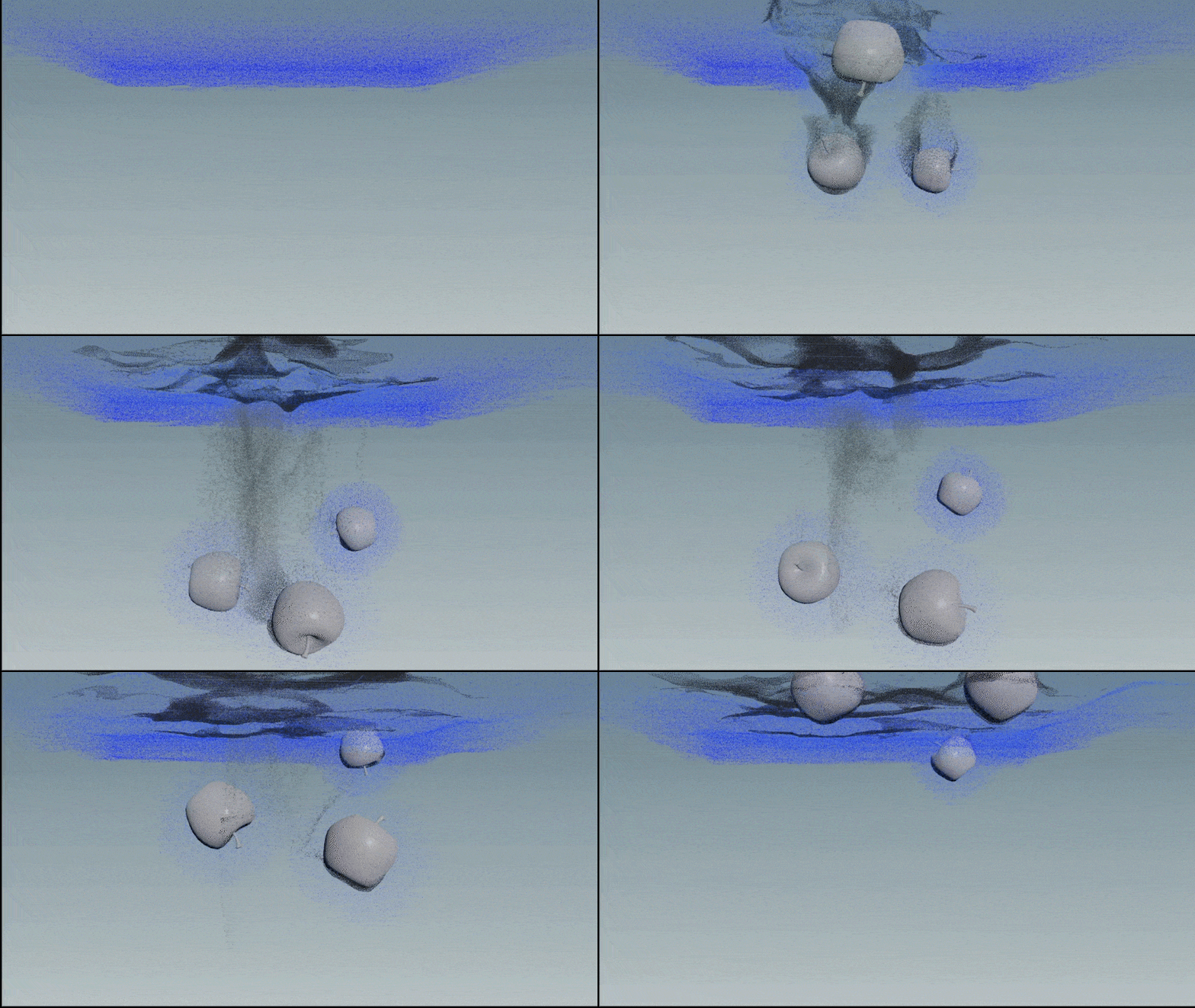

update as of 05 & 06 oct, 2024
reiteration of the apple drop shot
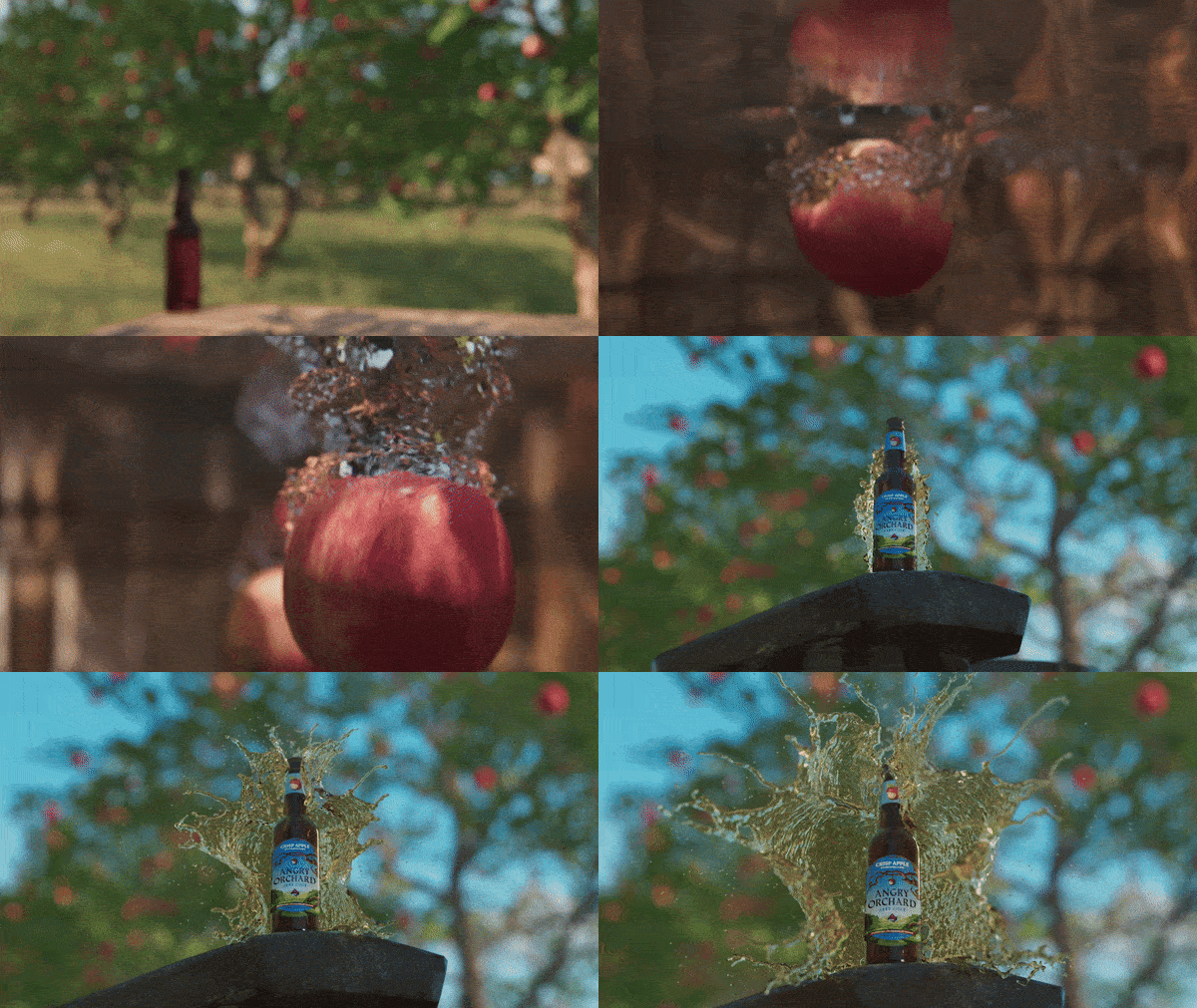
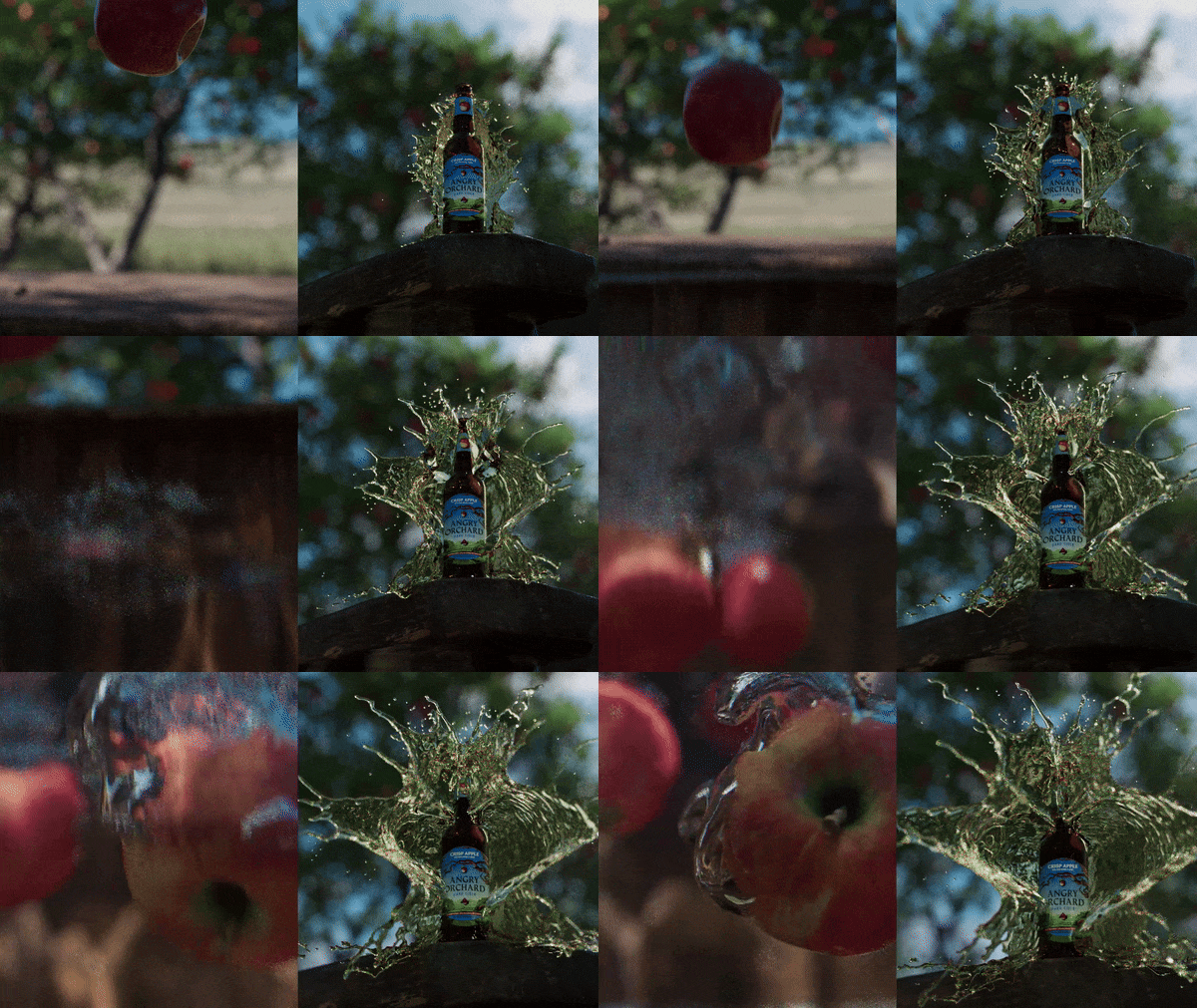
For the apple drop shot, extensive trials and research on bubbles led to a technique for creating underwater bubbles by leveraging the density and age particle attributes to generate a volume, which is then converted back into polygons. Additionally, the camera movement has been updated for this shot. here is a test version showcasing these improvements.
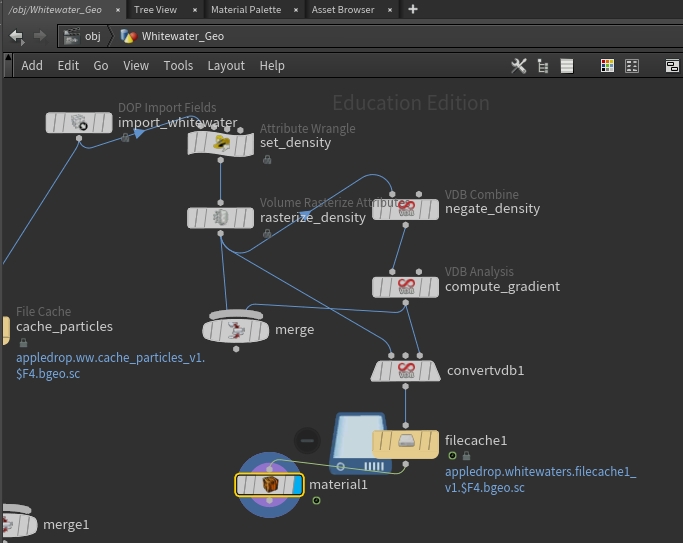
using density to create a vdb and converting back to polygons
update as of 03-oct-2024
Feedback from Professor Fowler:
- For the apple drop shot, the bubbles need to be larger to better match the reference.
- The splash shot requires adjustments: it should be reworked to accelerate toward the end while slowing down a bit more overall.
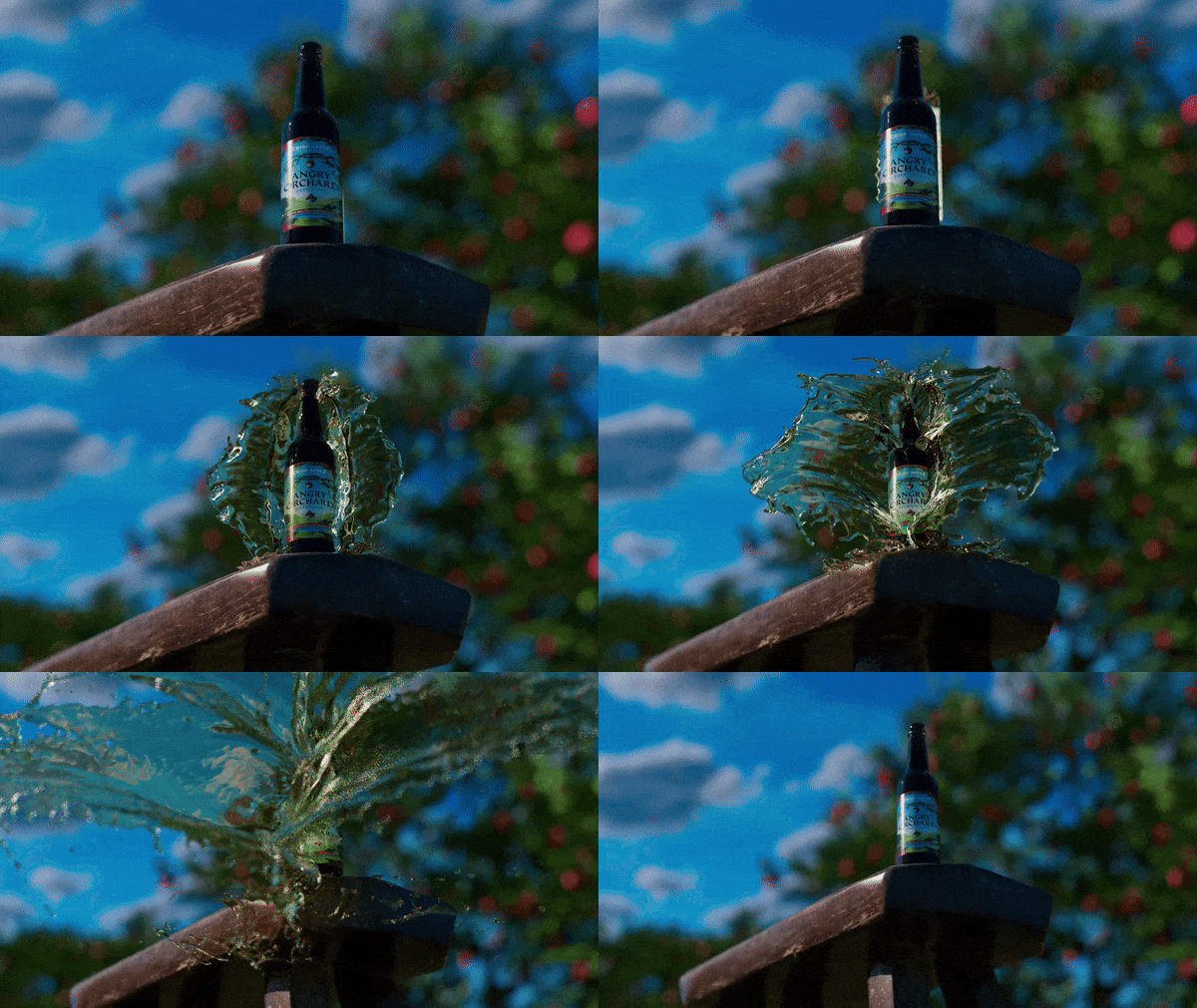
reiterating the splash shot
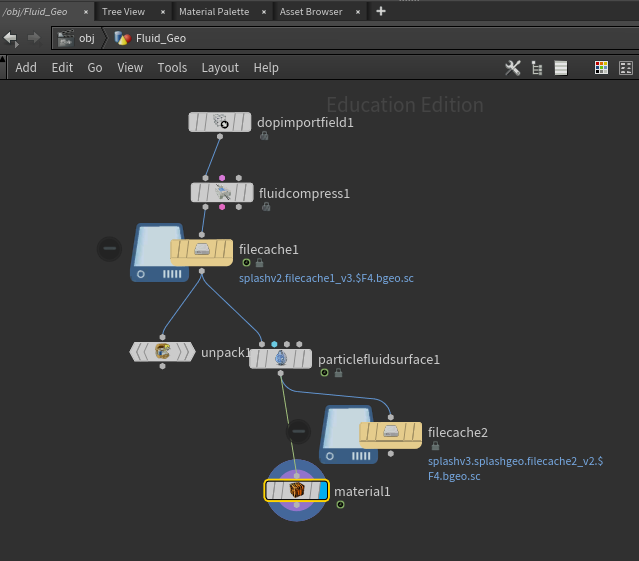
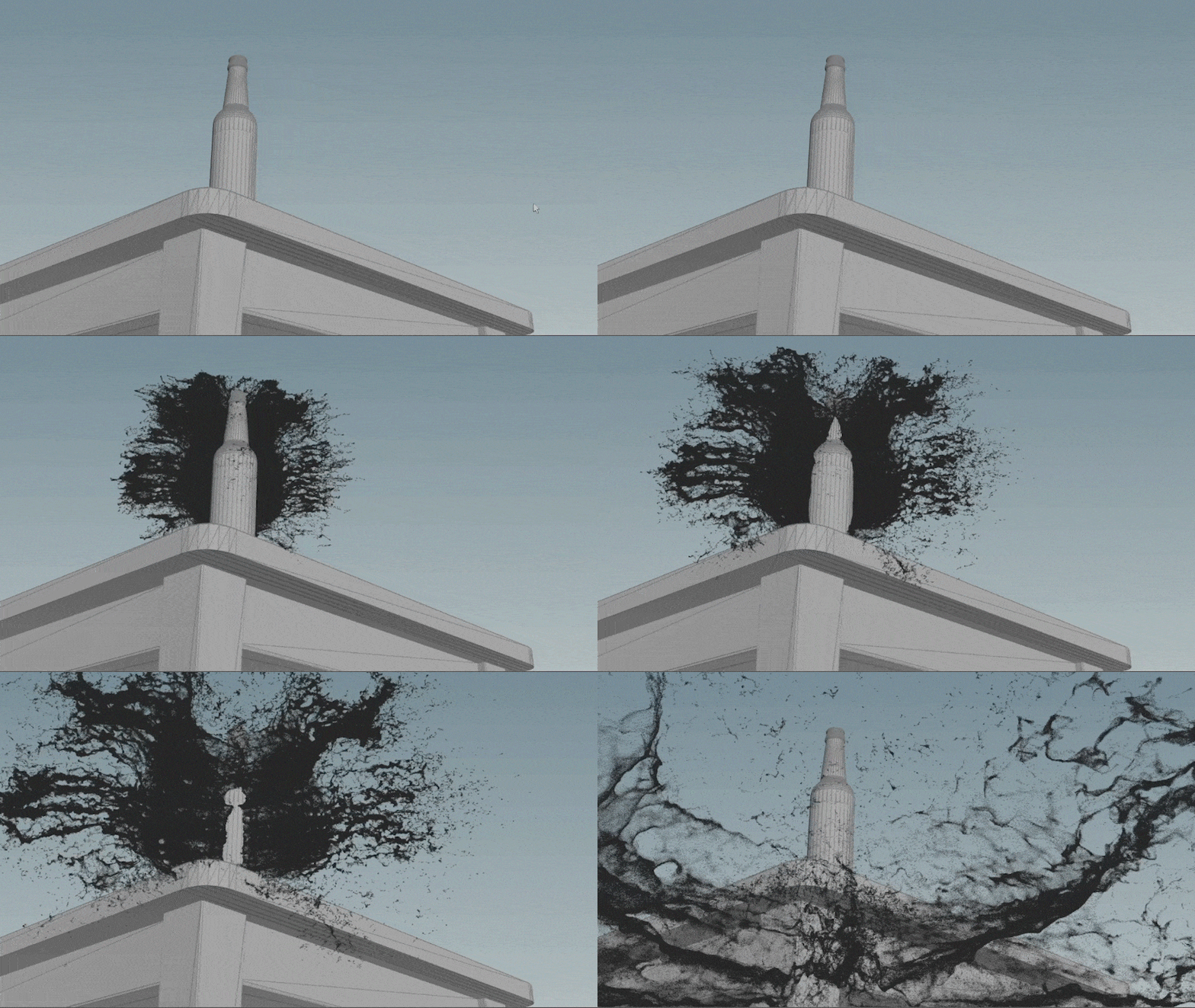
For the splash shot, the initial scale did not align with real-world proportions, so a new iteration was attempted using a smaller scale and different settings. Key adjustments included implementing surface tension and modifying the particle separation value to match the updated scale. Additionally, we will explore meshing the splash using VDBs instead of the ParticleFluidSurface node for potentially improved results.
This is the link to the Houdini conference presentation on splashes by Karolina Sereikaite. It was incredibly insightful and helpful for advancing our work on this shot :
update as of 02-oct-2024
Shoot update
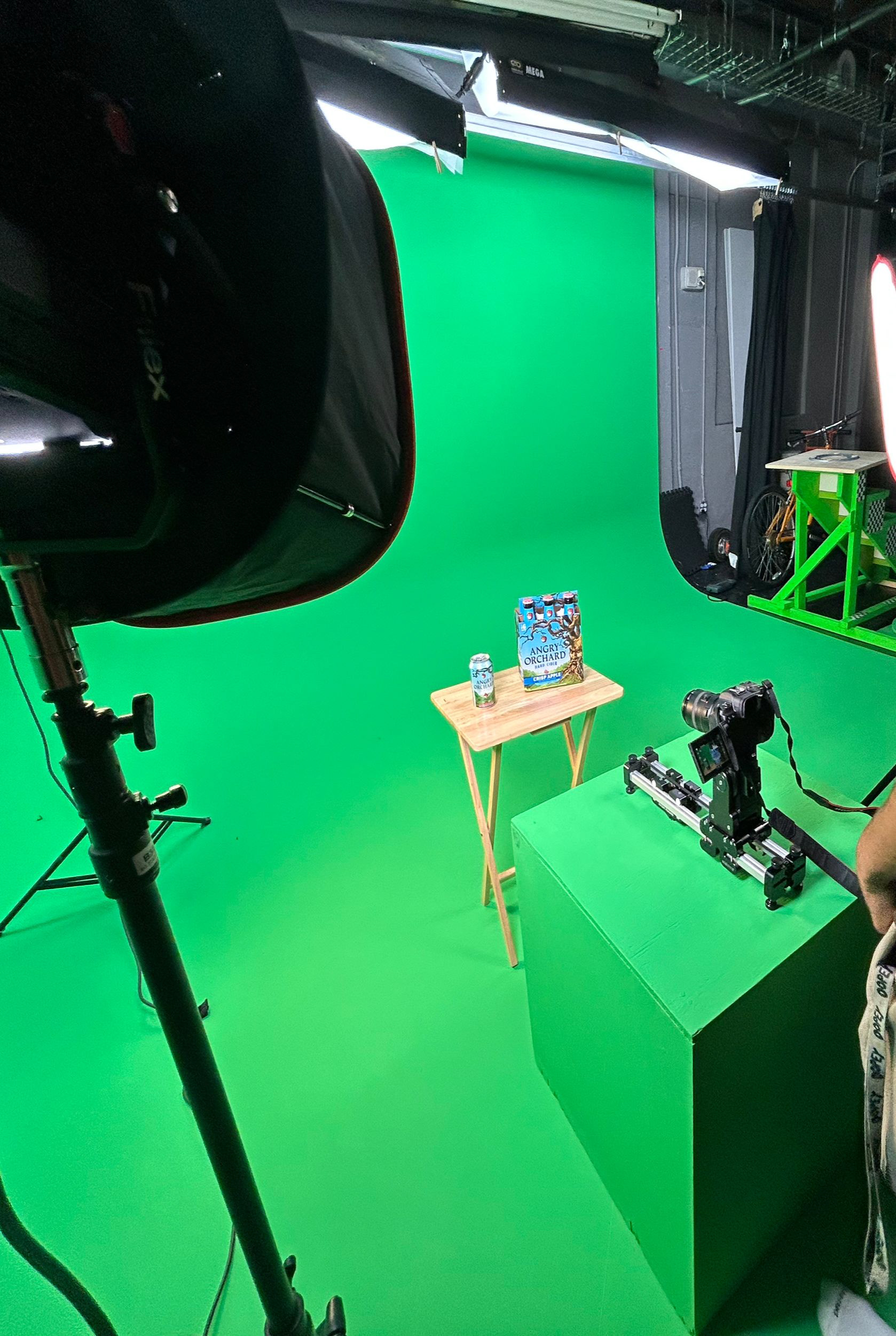
We completed the final shot for shot 1 on the green screen stage, along with reference footage for shot 7. The Canon R5, equipped with a zoom lens (thanks to Ben for providing it), was used for both. While we attempted to use a dolly for some of the shots, the results didn’t meet our expectations. A big thanks to Donnie for bringing the "Angry Orchard" props, which added a lot to the shoot.
render test for the Apple drop shot
A render test was completed for the apple drop shot. A water shader was created, and the FLIP tank particles were meshed using the ParticleFluidSurface node. The bubbles were rendered as individual particles in Redshift, with shading applied using the density attribute and a ramp for a more realistic appearance.
credits to donnie for sharing the barrel asset used in this shot
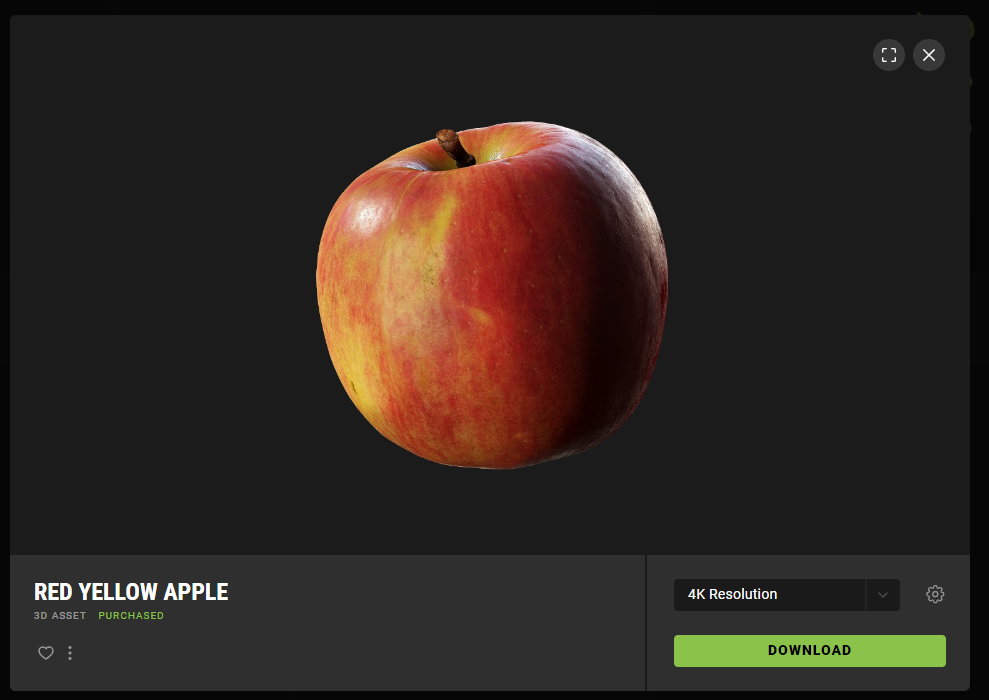
https://quixel.com/megascans/home?search=apple&assetId=texofcyra
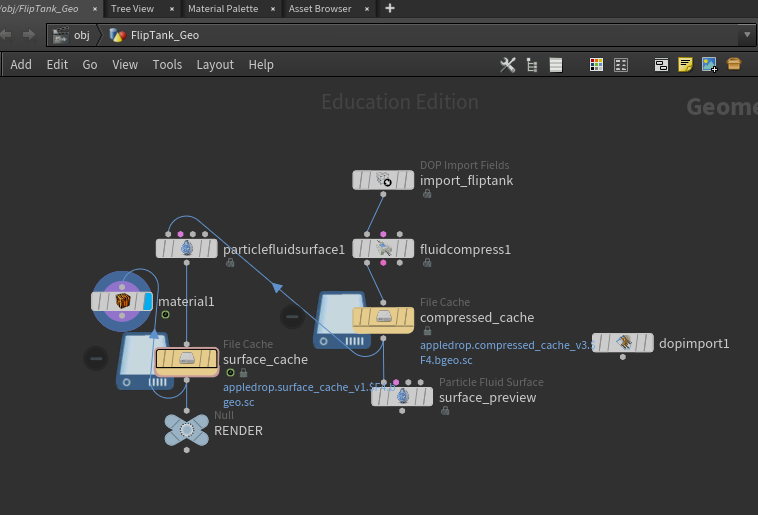
ParticleFluidSurfaceNode
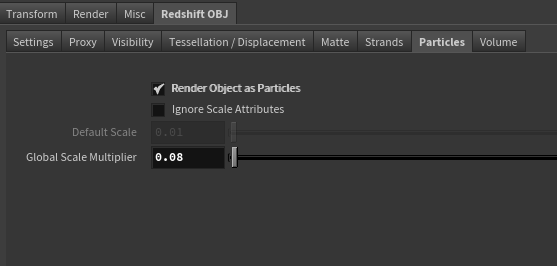
Render Particles as Objects in Redshift
update as of 01-oct-2024
Q n a with the mentors
We had an insightful Q&A session with our mentors, covering various aspects of industry workflows. Topics ranged from how professionals manage to disconnect from work, to more technical discussions about camera tracking, faking elements like motion blur, and the pipelines used to seamlessly integrate work from different artists and software. The session provided a valuable understanding of both the creative and technical challenges faced in the field.
feedback from professors and xristos:
- The glass shader on the bottle looks good.
- The splash shot needs to be reworked to ensure the logo is more visible.
- Xristos, the Virtual Production Manager, mentioned that our shot looks promising and could turn out excellent on stage if executed properly.
sound design pitch
Our pitch to the sound design team went smoothly, and a student named Charlie reached out, expressing interest in collaborating with us on the project.
Feedback from Mentors (DAVID):
- The bottle splash test looks good.
- To improve, smooth out the mesh in post by refining the normals to better match the reference.
- The lighting in the tabletop shots could be made more natural.
- For the apple drop shot, adjust the timing and camera to better align with the reference, and slow down the apple's spin as it floats back—it’s currently too fast.
Feedback from Mentors (emily):- The alternative shot for shot 3 works well, but the composition needs to be closer to clearly show both the bottle and barrel.
- The FX in the apple drop shot looks nice.
- The material for the apple is well done.
Feedback from Mentors (natasha):
- The transition for shots 1 and 2 needs more refinement to look smoother.
- For shot 3, try adding parallax with a moving camera to enhance depth.
- In shot 4, the apple needs to appear more appetizing, and the tessellation of the apple should be smoothed.
update as of 30-sep-2024
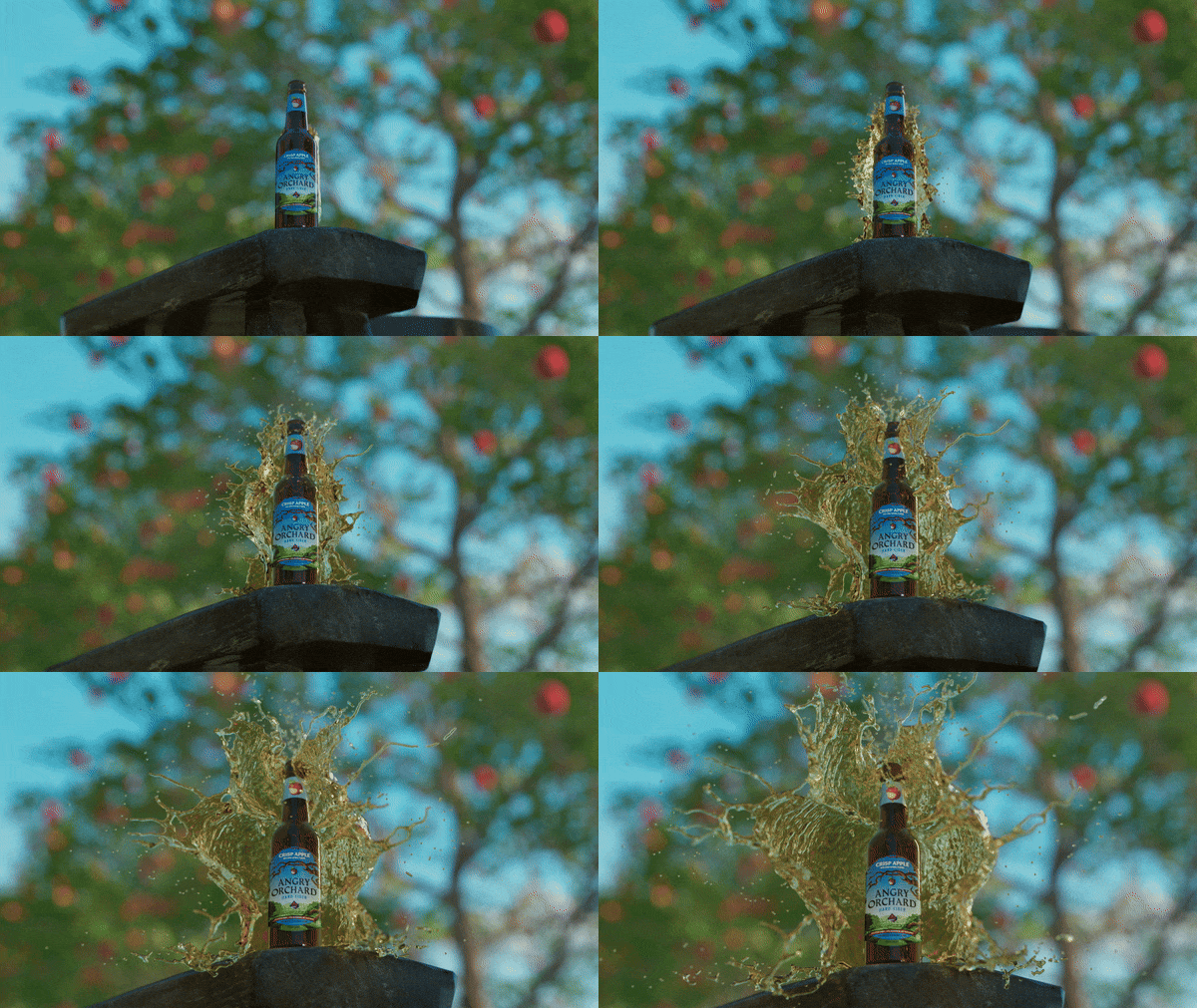
Render of the splash shot
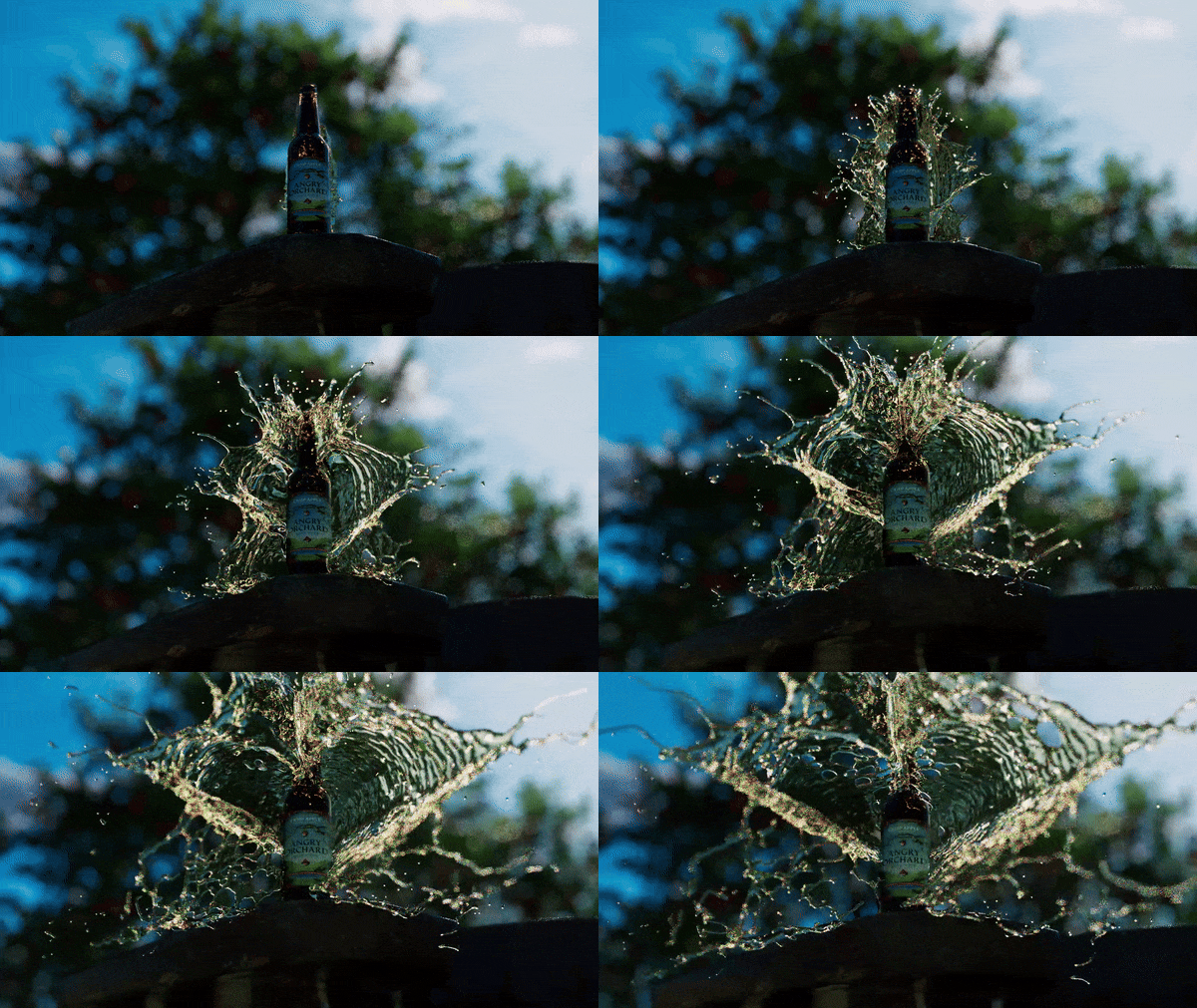
A glass shader was created in Redshift with reflections and refractions. The label was added using a textured cylinder to display the branding. For the liquid, a water shader was developed in Redshift and adjusted to look like cider, with changes to color and transmission. The splash particles were meshed using the 'ParticleFluidSurface' node.
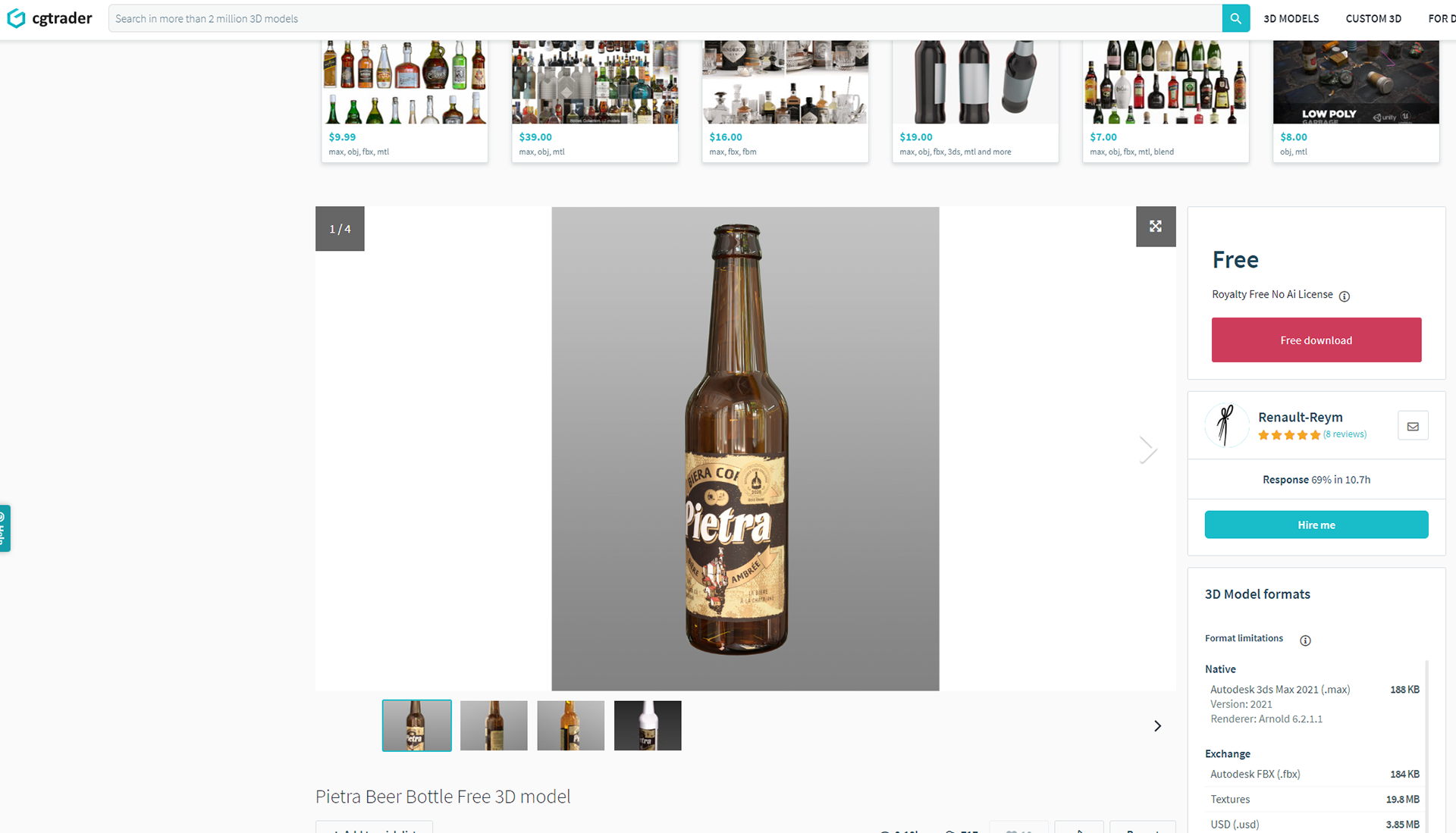
https://www.cgtrader.com/free-3d-models/various/various-models/pietra-beer-bottle
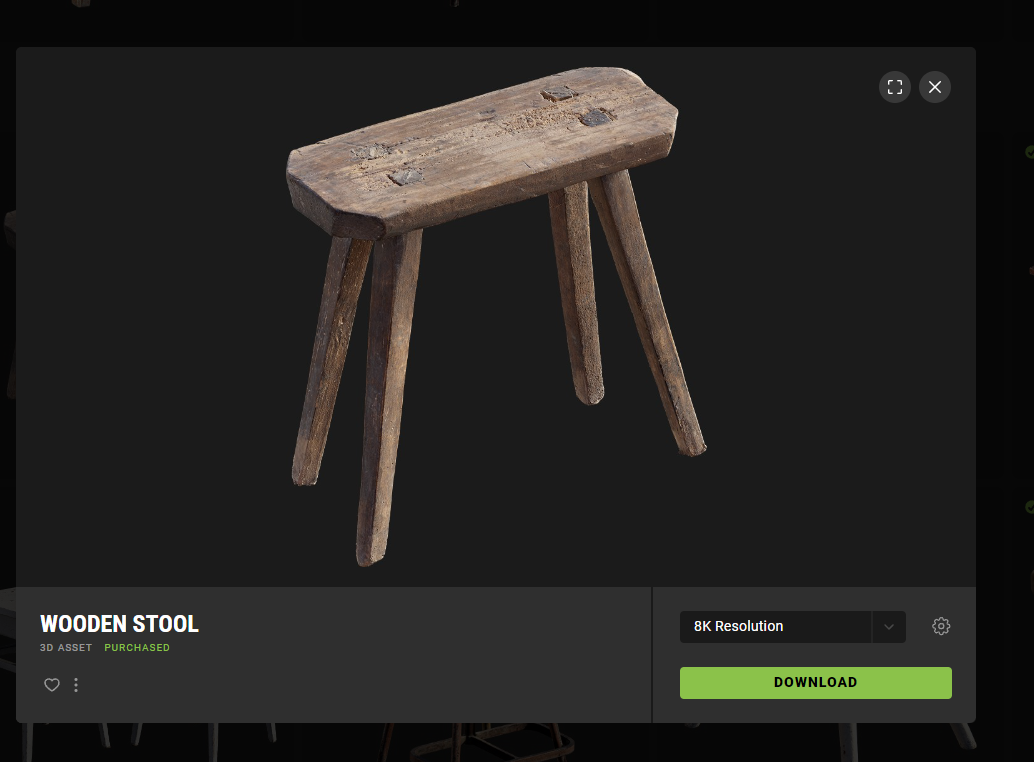
https://quixel.com/megascans/home?search=stool&assetId=wjfjbbe