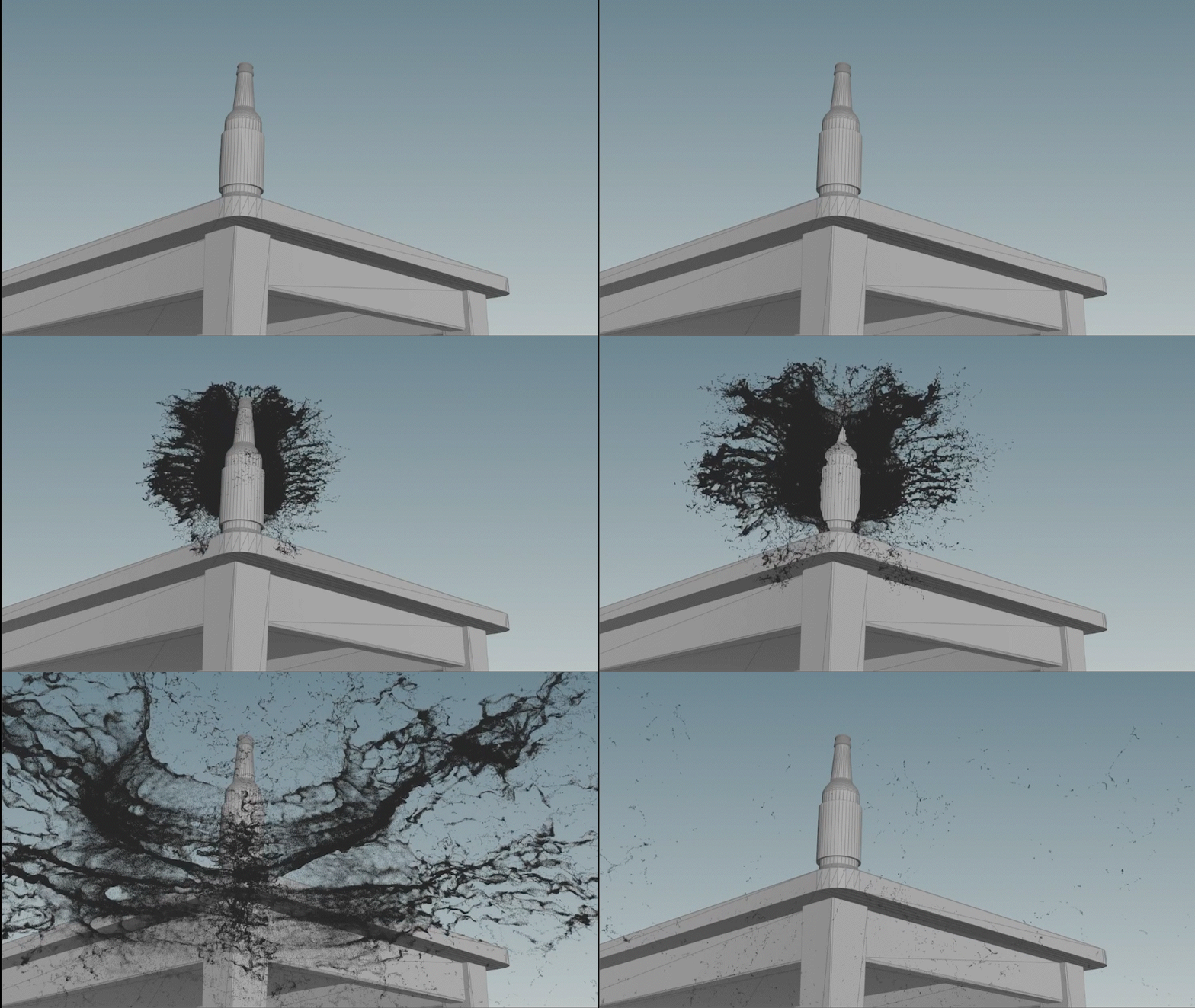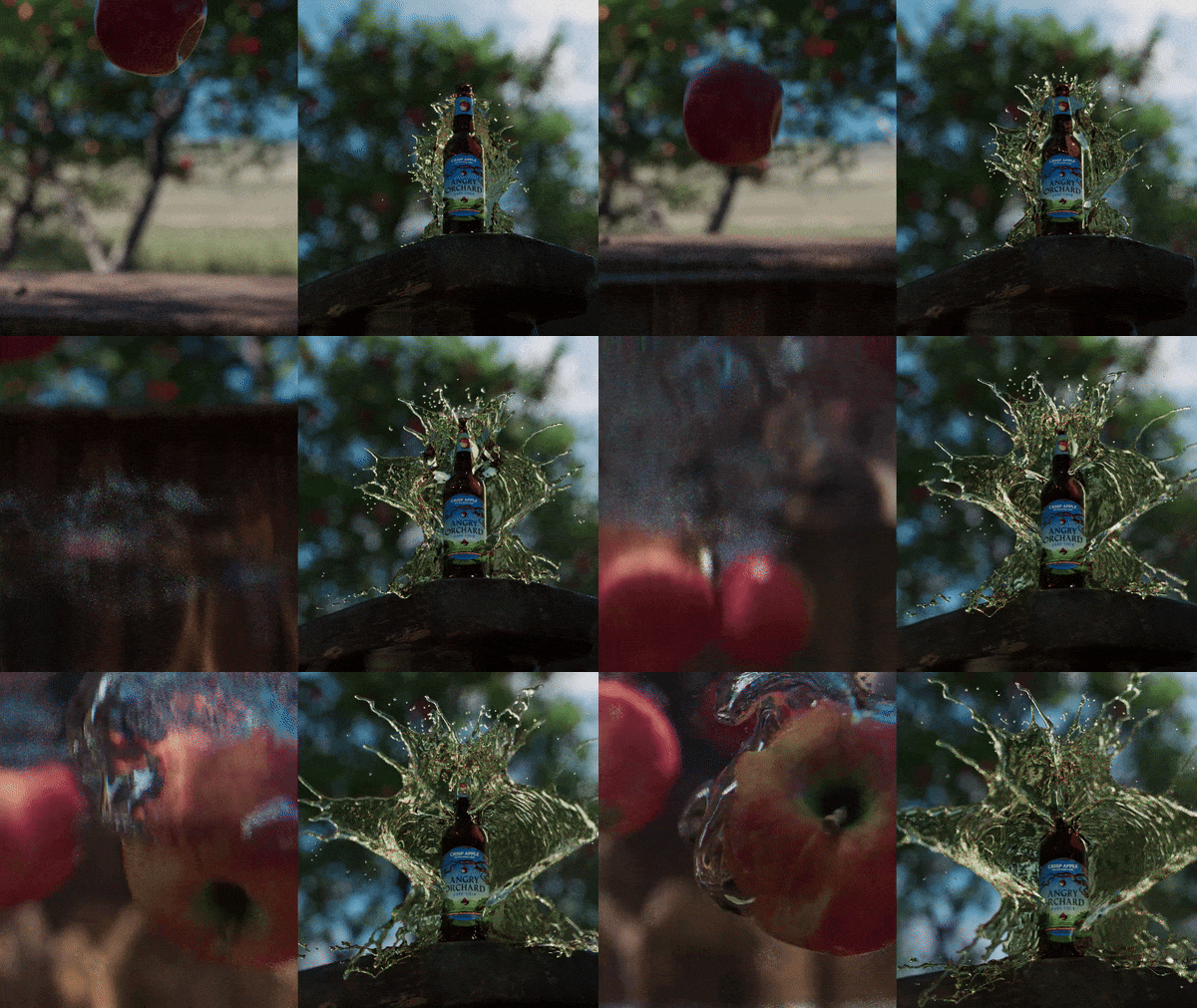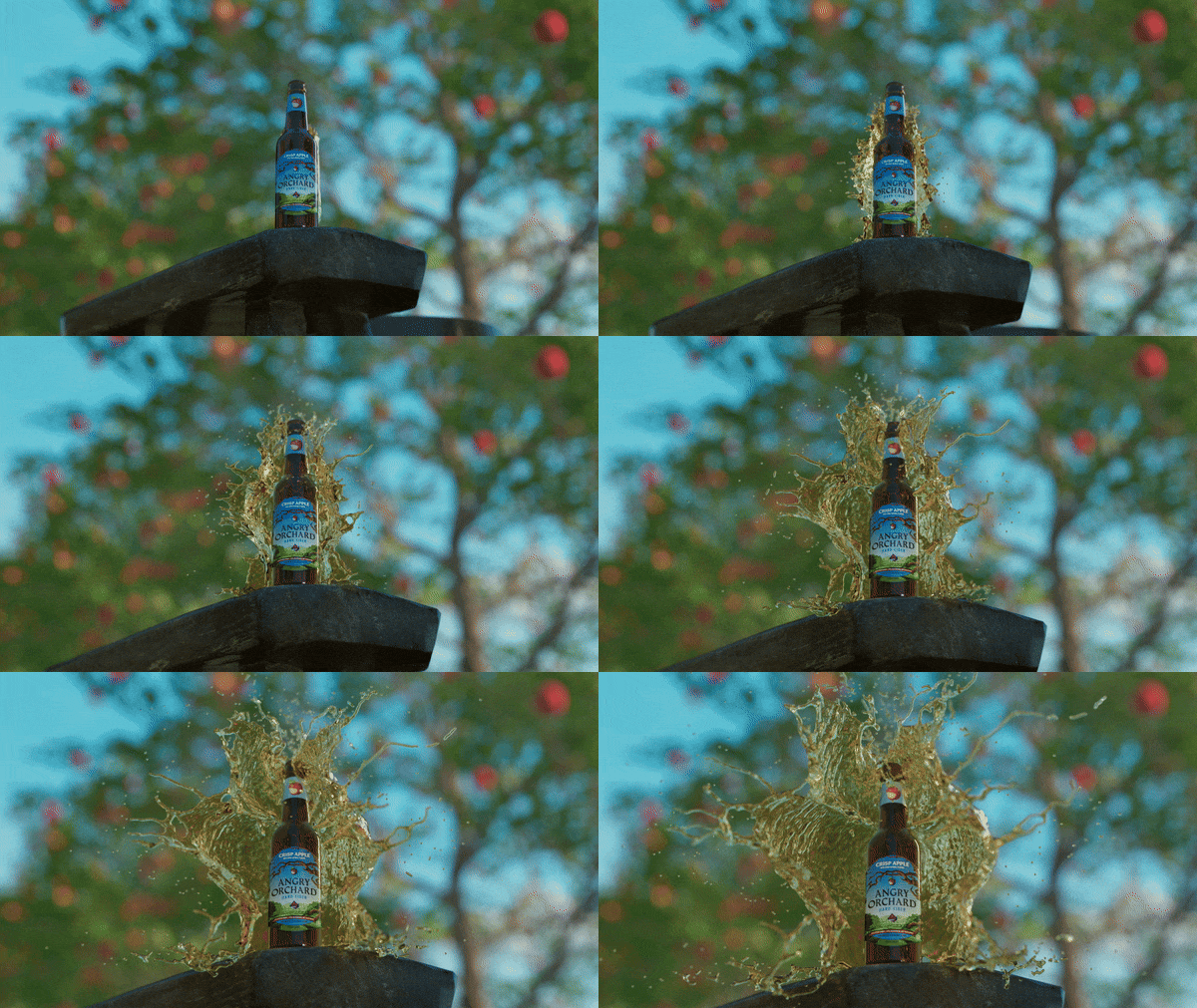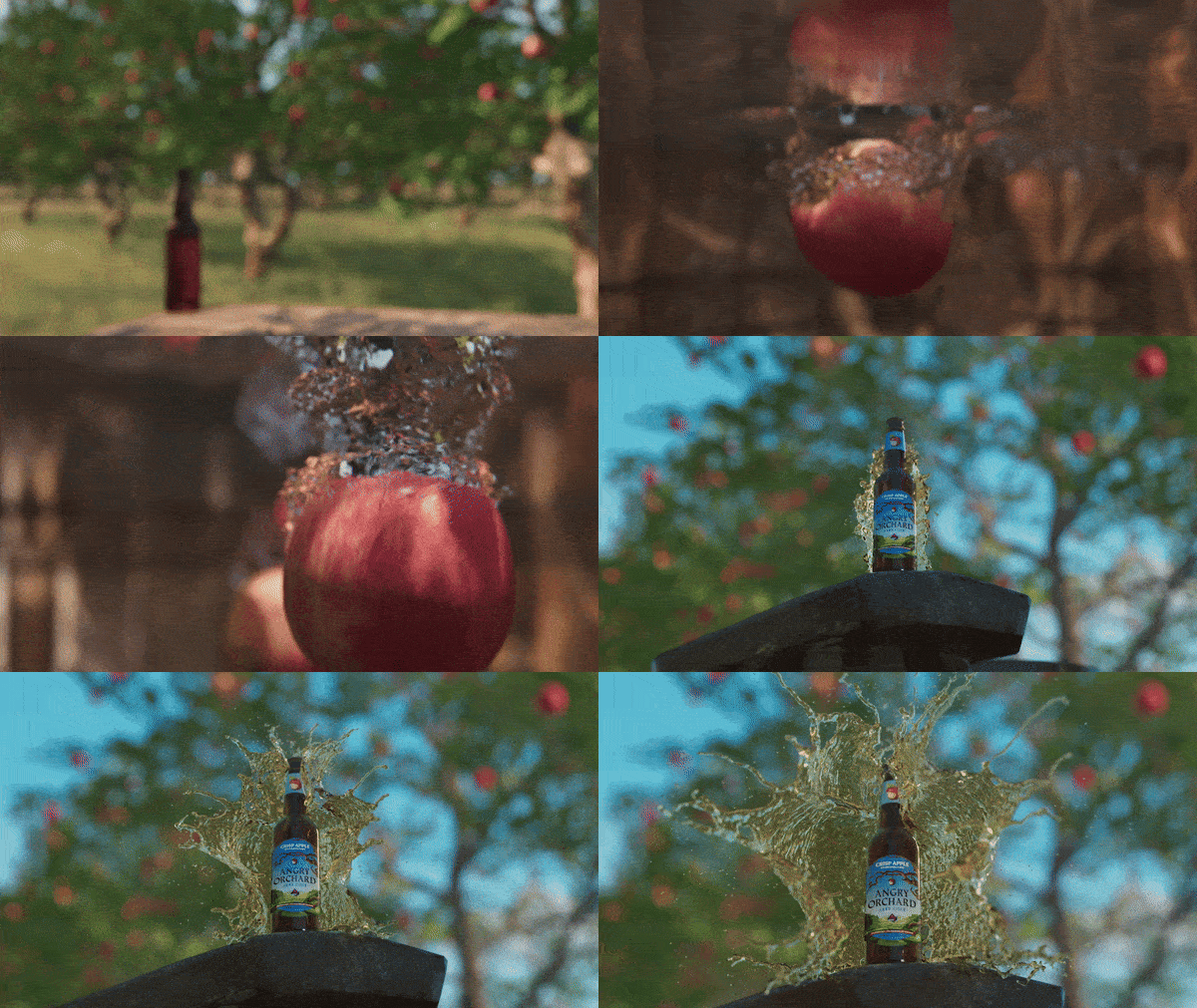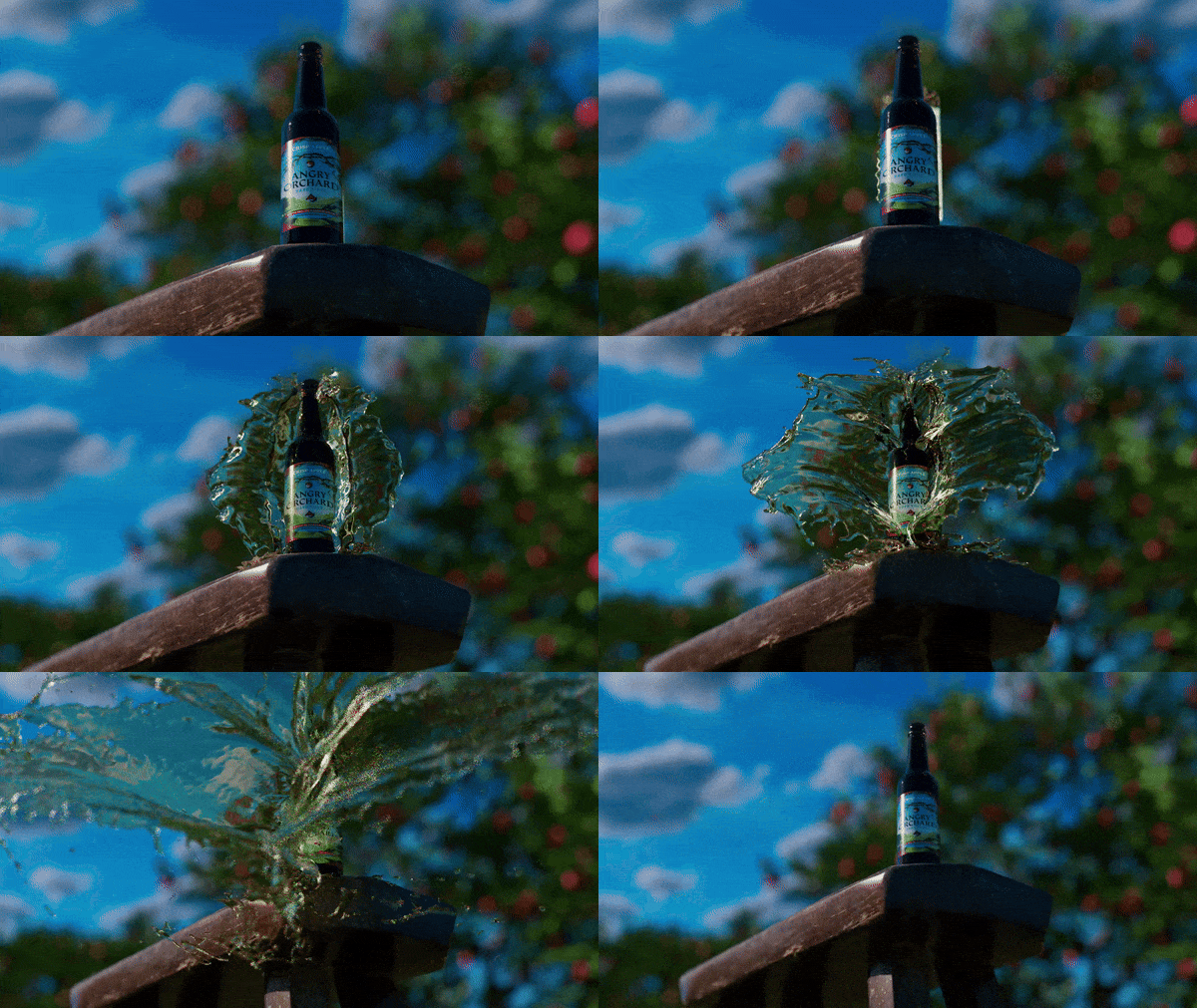

update as of 28 & 29 sep, 2024
apples drop in water shot - simulation tests and method

reference
simulation test
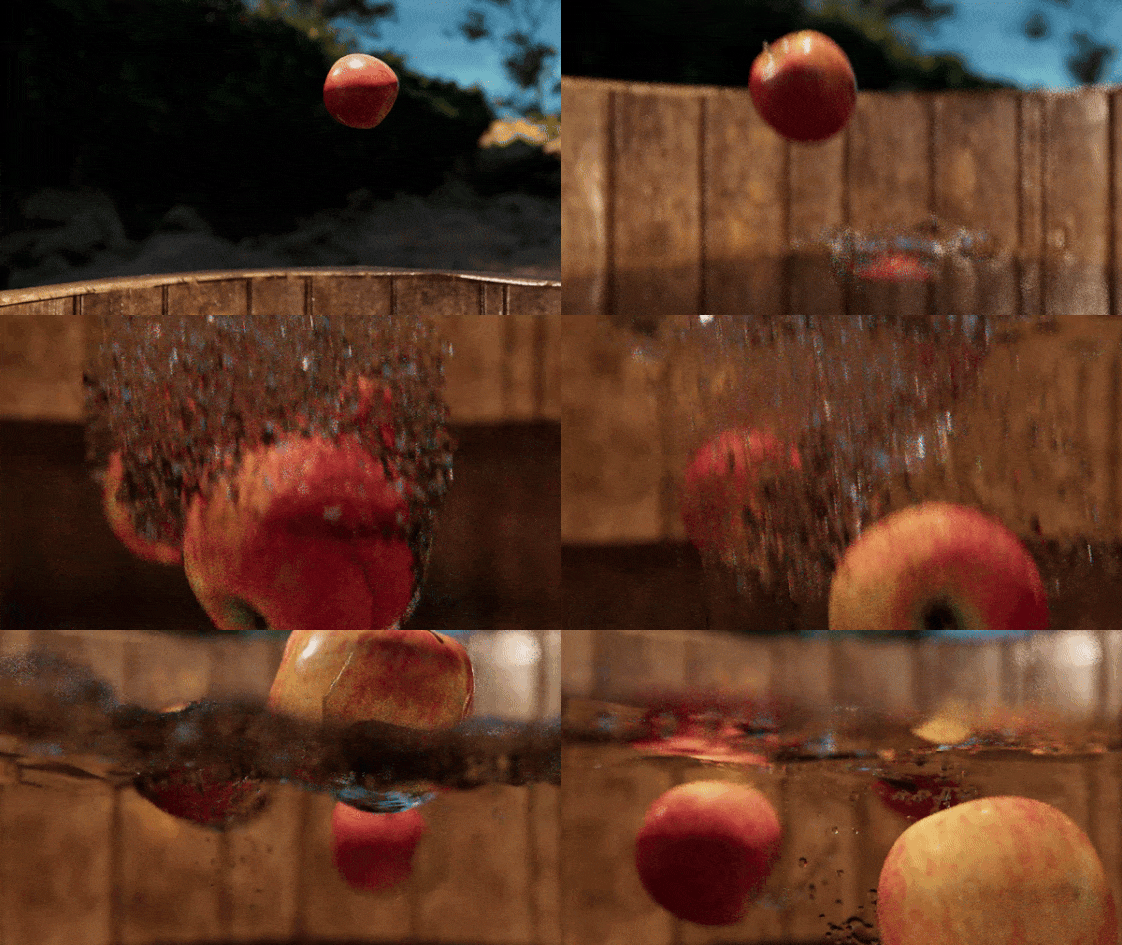
To create this effect, the main elements needed are:
- Rigid body simulation for the apples falling into the water.
- FLIP tank for the water inside the bucket.
- Whitewater simulation for bubbles and foam created by the apples hitting the water.
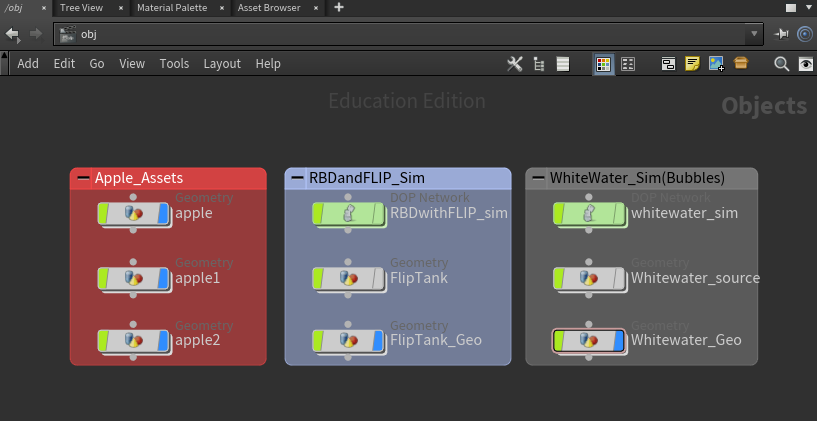
Main Setup
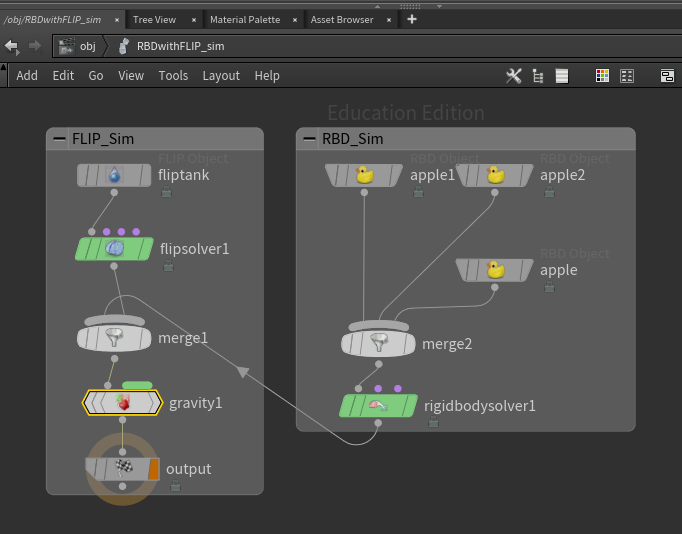
FLIP & RBD
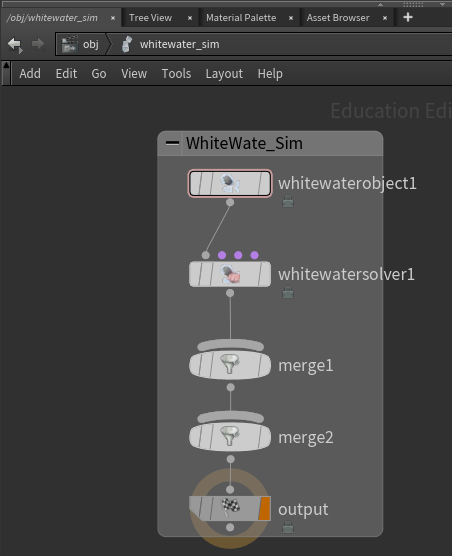
WhiteWater
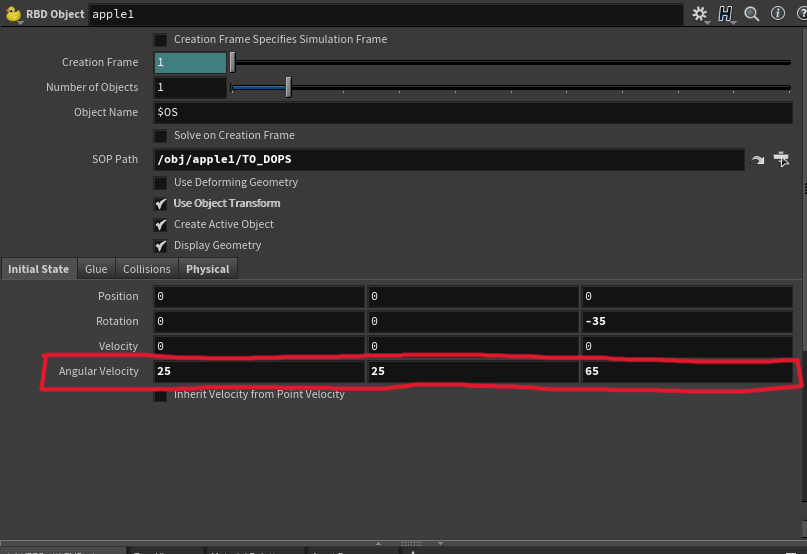
Rigid Body Sim
The key setting that needs adjustment for the RBD simulation of the falling apples is the initial angular velocity. By fine-tuning this, you can introduce a natural spin to the apples as they fall into the bucket.
Whitewater sim
For the whitewater simulation, the FLIP tank's output should serve as the source object for the whitewater, ensuring that the foam/ bubbles react naturally with the main water body and its movements.
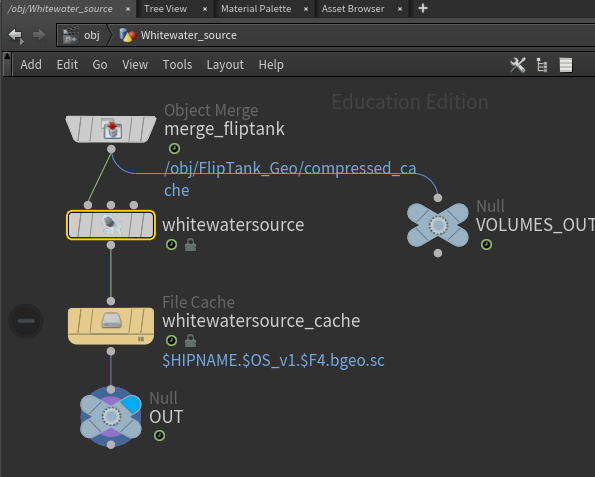
Flip tank's output as whitewater's source
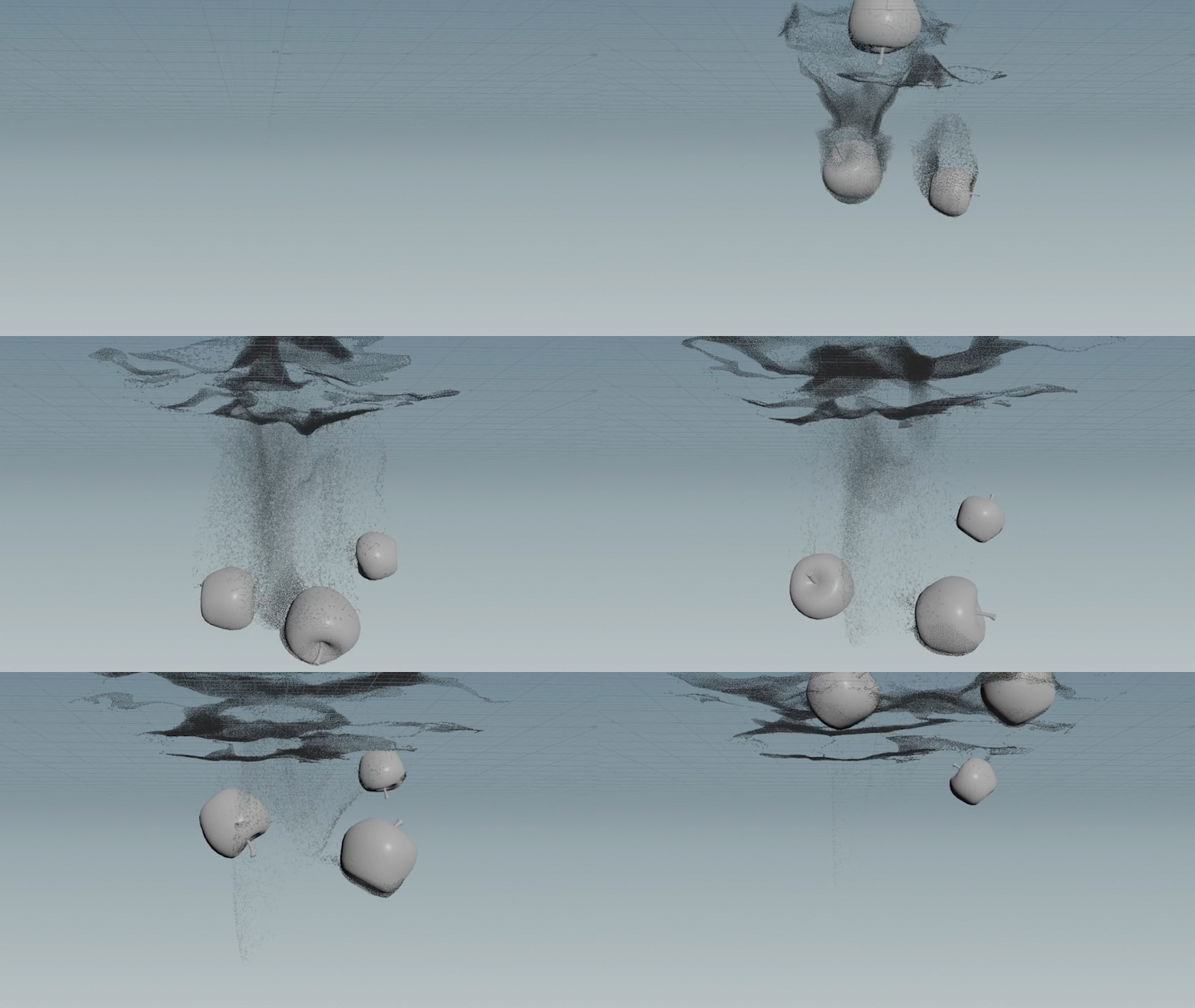
WhiteWater Pass
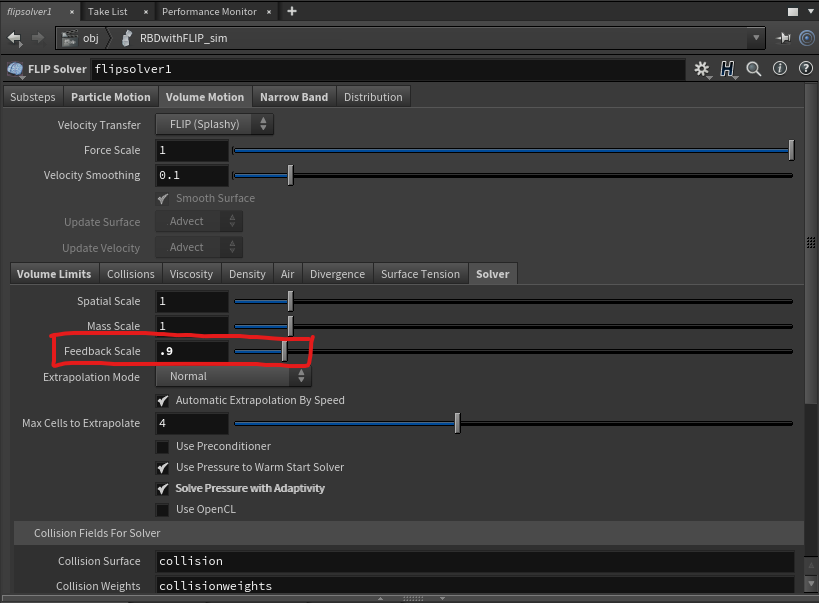
buoyancy
Apples float in water because their density is lower than that of water. To simulate this effect and make the apples rise after falling, the force of buoyancy needs to be introduced. This can be achieved by adjusting the "Feedback scale" setting within the "Solver" options of the "FLIP Solver" node.
update as of 27-sep-2024
Pipeline test to get the environment from UE5 as an HDRI
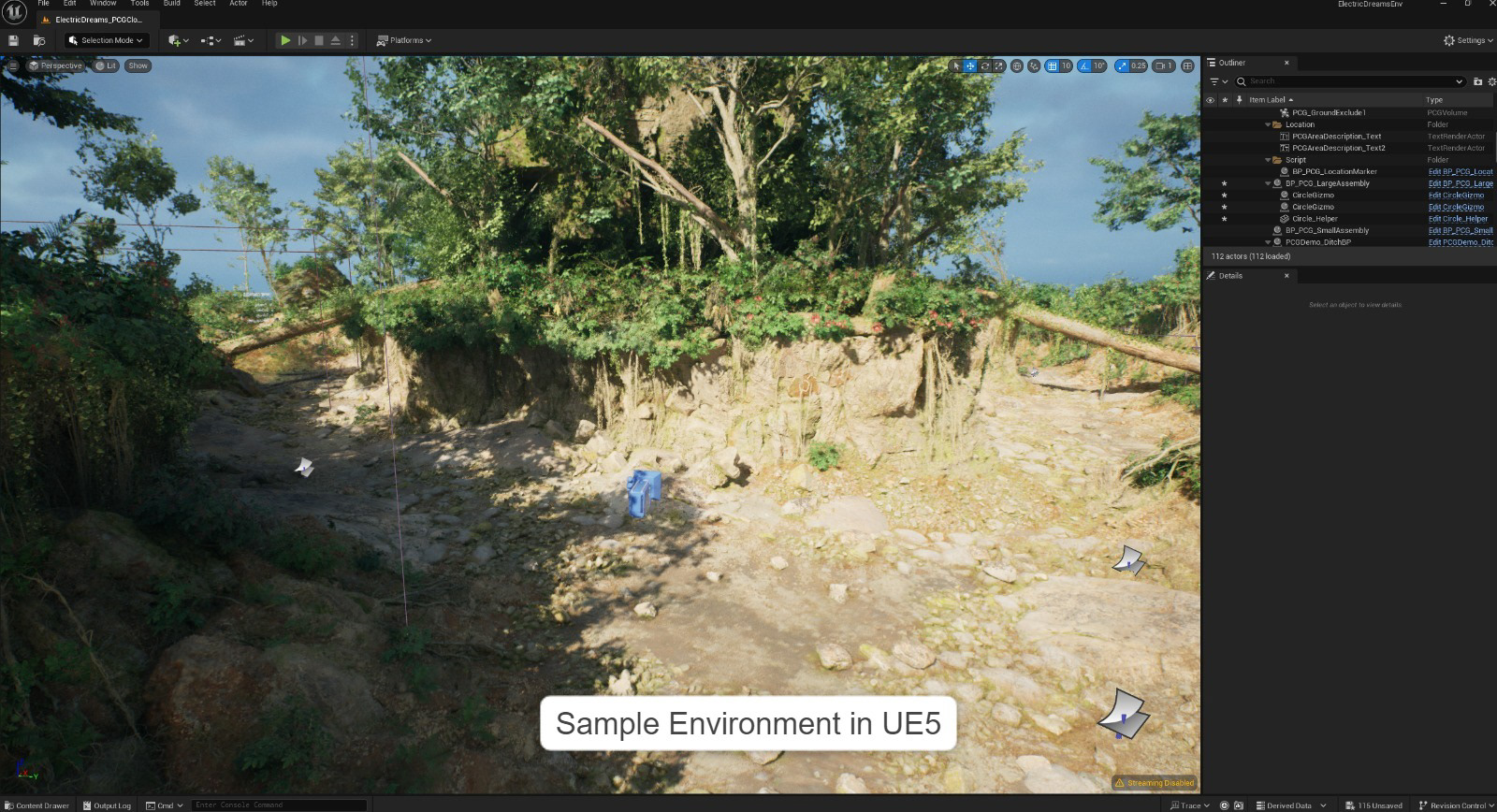
1. Build the environment in Unreal Engine 5 (UE5).
2. Add a Scene Capture Cube to the UE5 level.
3. Position the Scene Capture Cube (camera) at the appropriate angle to capture a 360° image of the scene.
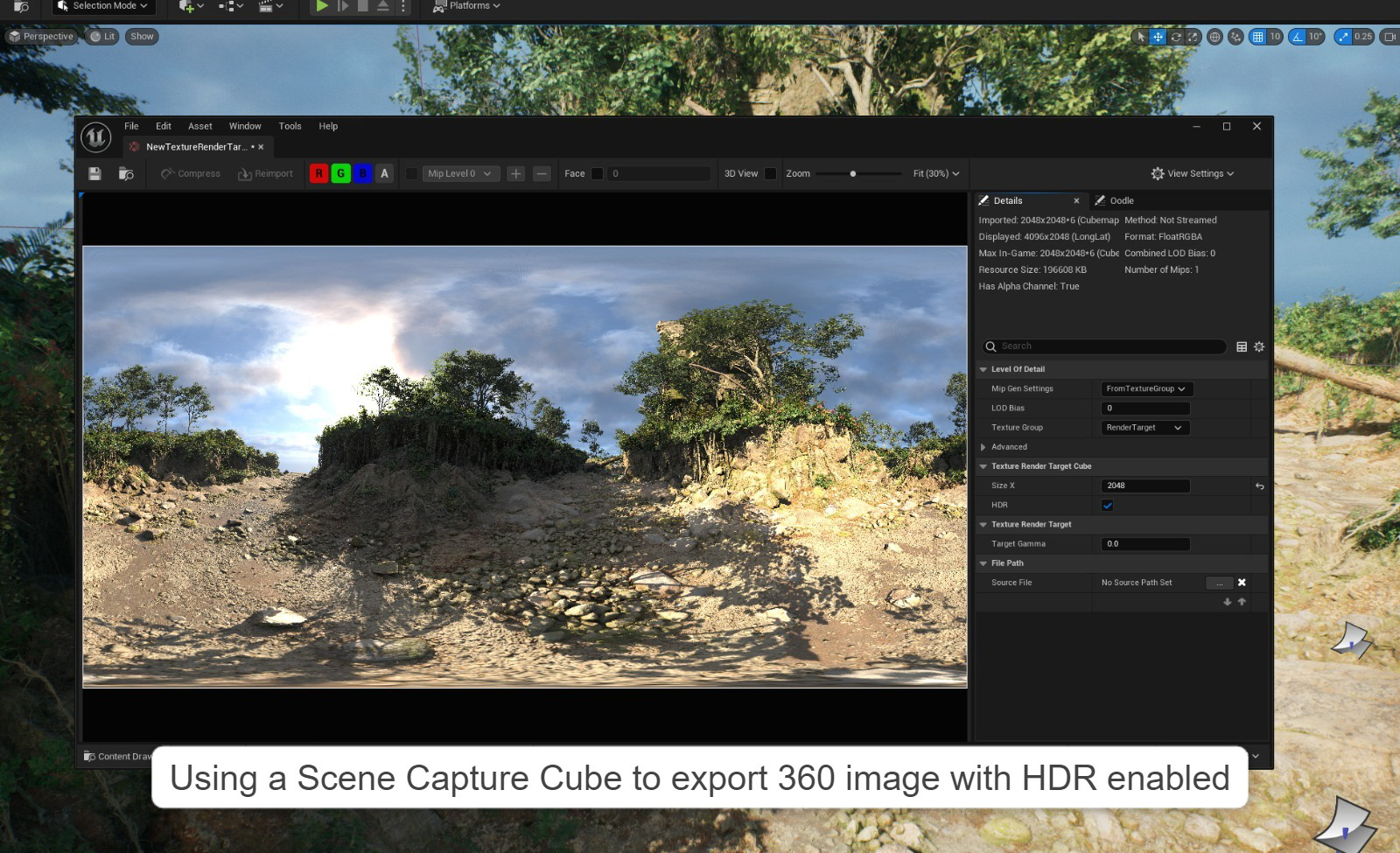
4. In the "Scene Capture Cube" settings, create a new cube map target.
5. Convert the cube map into a static texture, then export it as an HDRI with the "HDR" option checked.
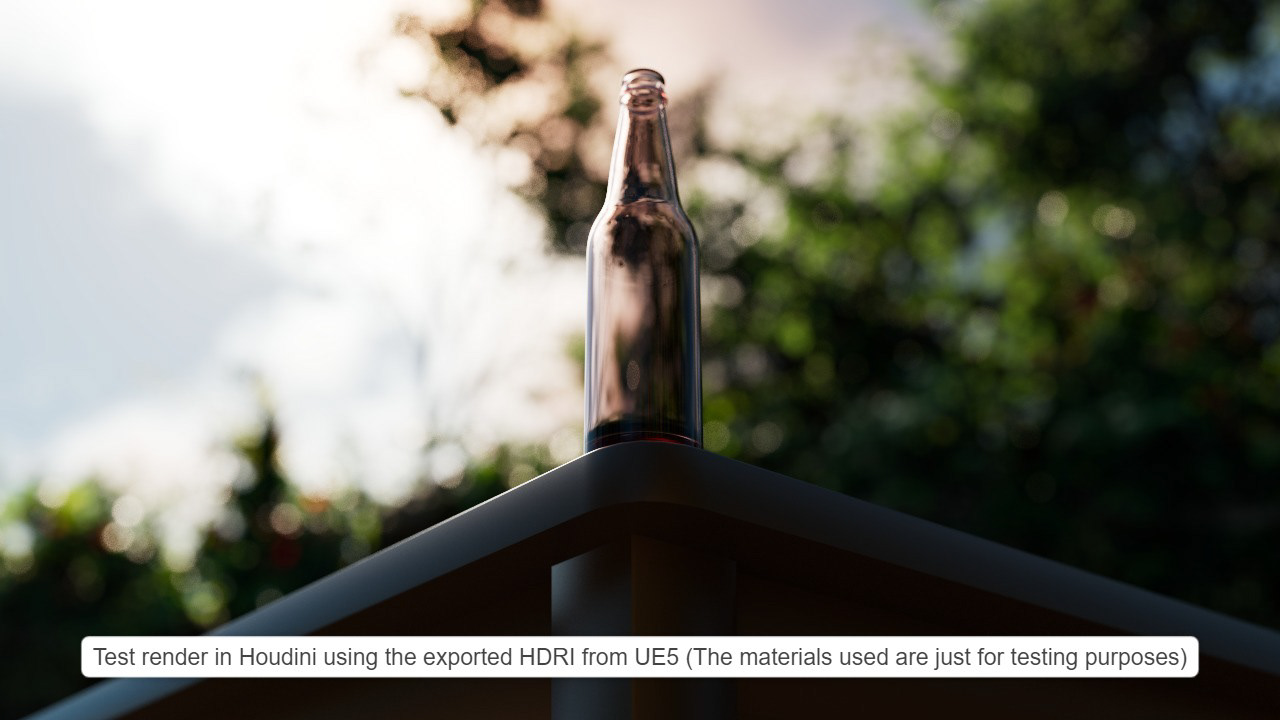
6. Import the HDRI into Houdini as a skydome using Redshift.
note: therefore, Once the orchard scene is finalized, we will use its 360° HDRI as both the backdrop and the primary light source for our Houdini scene.
update as of 26-sep-2024
notes on Discussions with professors
- Research the textures of cider apples to achieve a more accurate visual representation.
- For country kitchen references, Professor Bridget recommended exploring modern farmhouses and Mongolian homes for inspiration.
- Regarding underwater bubbles, Professor Fowlker suggested incorporating foam, while Professor Bridget advised using spheres with an inverse index of refraction (IOR) relative to water.
- Consider altering the original branding in the final render, possibly changing the name in post-production using Nuke or After Effects, if time allows.
motion graphic at the end for the product name
Regarding addressing the Motion graphic at the end of the video , we as team decided to do a text Reveal on Pass by Effect
(reference video below)
reference for motion graphic for product title
Note: Our shoot has been rescheduled from Sept 27, 2024, to October 2, 2024, due to unexpected weather conditions.
update as of 24-sep-2024
Feedback
The feedback from the mentors was as follows:
a. It might be worth reconsidering the drone shot and exploring other options for that moment.
b. For Shot 2, they suggested having the camera move inward instead of pulling out to enhance the flow.
c. Regarding the splash shot (Shot 6), a slight adjustment in the composition is recommended, and adding a backdrop could improve the overall aesthetic.
d. There was a question about the exact placement of the bucket in Shot 5 that could use clarification.
e. It would be helpful to ensure cohesion between the bucket shot (Shot 5) and the splash shot (Shot 6) to maintain visual consistency.
f. The mentors really liked the can-opening sequence and appreciated the transition—this moment worked well.
g. Lastly, they expressed admiration for the references, which they found well-chosen.
b. For Shot 2, they suggested having the camera move inward instead of pulling out to enhance the flow.
c. Regarding the splash shot (Shot 6), a slight adjustment in the composition is recommended, and adding a backdrop could improve the overall aesthetic.
d. There was a question about the exact placement of the bucket in Shot 5 that could use clarification.
e. It would be helpful to ensure cohesion between the bucket shot (Shot 5) and the splash shot (Shot 6) to maintain visual consistency.
f. The mentors really liked the can-opening sequence and appreciated the transition—this moment worked well.
g. Lastly, they expressed admiration for the references, which they found well-chosen.
Updated PREvis
Credits to chris for sketching the updated storyboards
Team Discussions
As a team, we discussed how to address the feedback and came to the following decisions:
1. The drone shot (Shot 2) will be replaced with a medium shot of the bottle on a stool, with a bucket placed next to it. This will provide better context for the upcoming shots—the bucket shot (Shot 5) and the splash shot (Shot 6)—ensuring a smoother narrative flow.
2. The shoot has been rescheduled from Wednesday to Friday to allow us access to additional equipment, giving us more flexibility and resources during filming.
3. We welcomed a new team member, Nina, a Dramatic Writing student, who has offered valuable feedback and suggestions regarding the story. While her input has been incredibly insightful, we plan to have further discussions to ensure that the adjustments are both aligned with the team's vision and practically feasible.
Team tasks
- Rework Shot 2.
- Film the first shot on the green screen stage on 27-Sep-2024.
(credits to ben for taking charge of the bookings for shoots)
- Find a solution for the motion graphics at the end.
- Continue developing environments and FX.
- Prepare to book the XR stage.
- Update the previs.
personal tasks
- Replace the table with a stool in the splash shot.
- Adjust the bottle and stool to a real-world scale and re-run the simulation.
- Work on the apple drop shots.
- Determine how to extract HDRI from the UE5 environment.
update as of 23-sep-2024
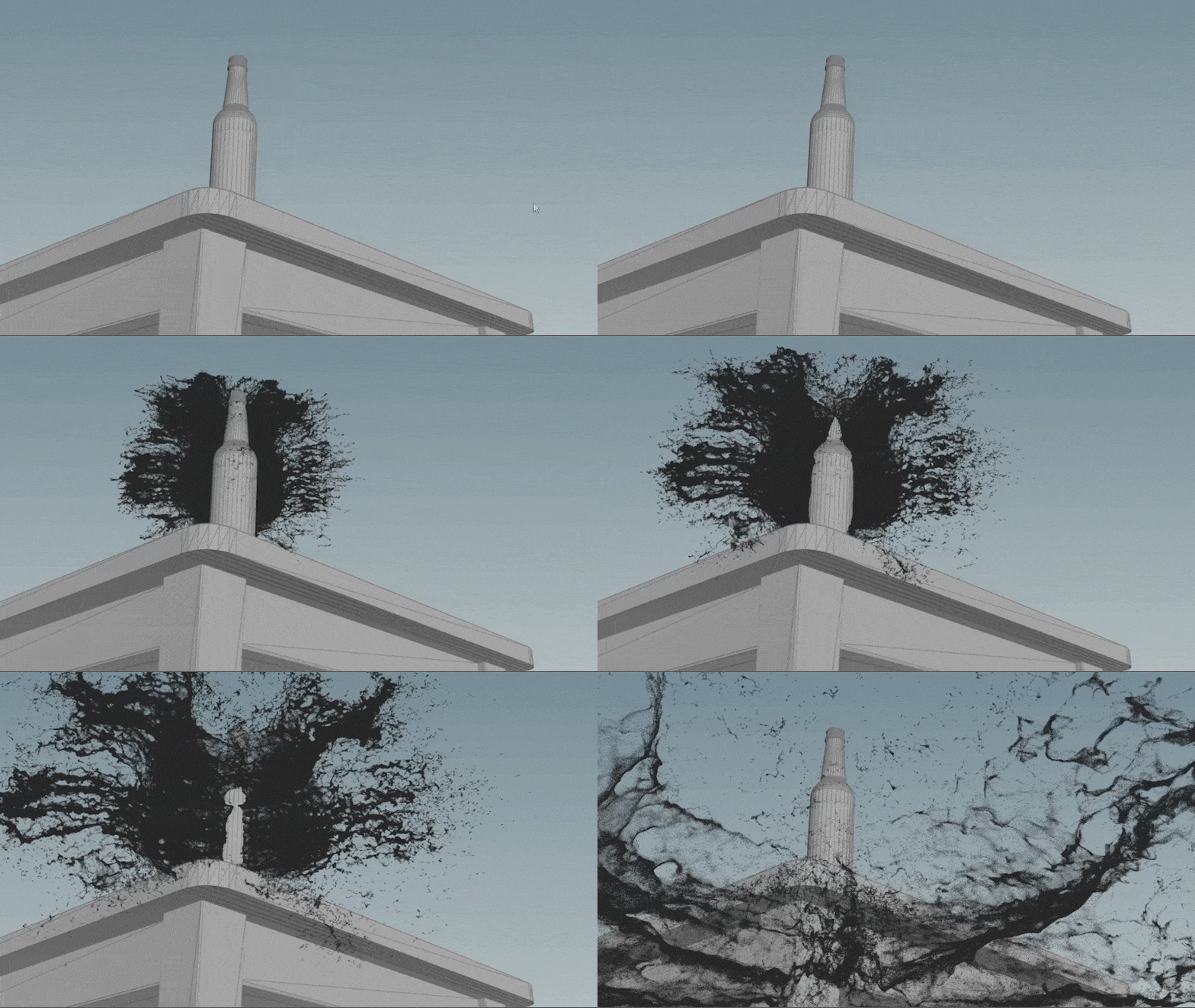
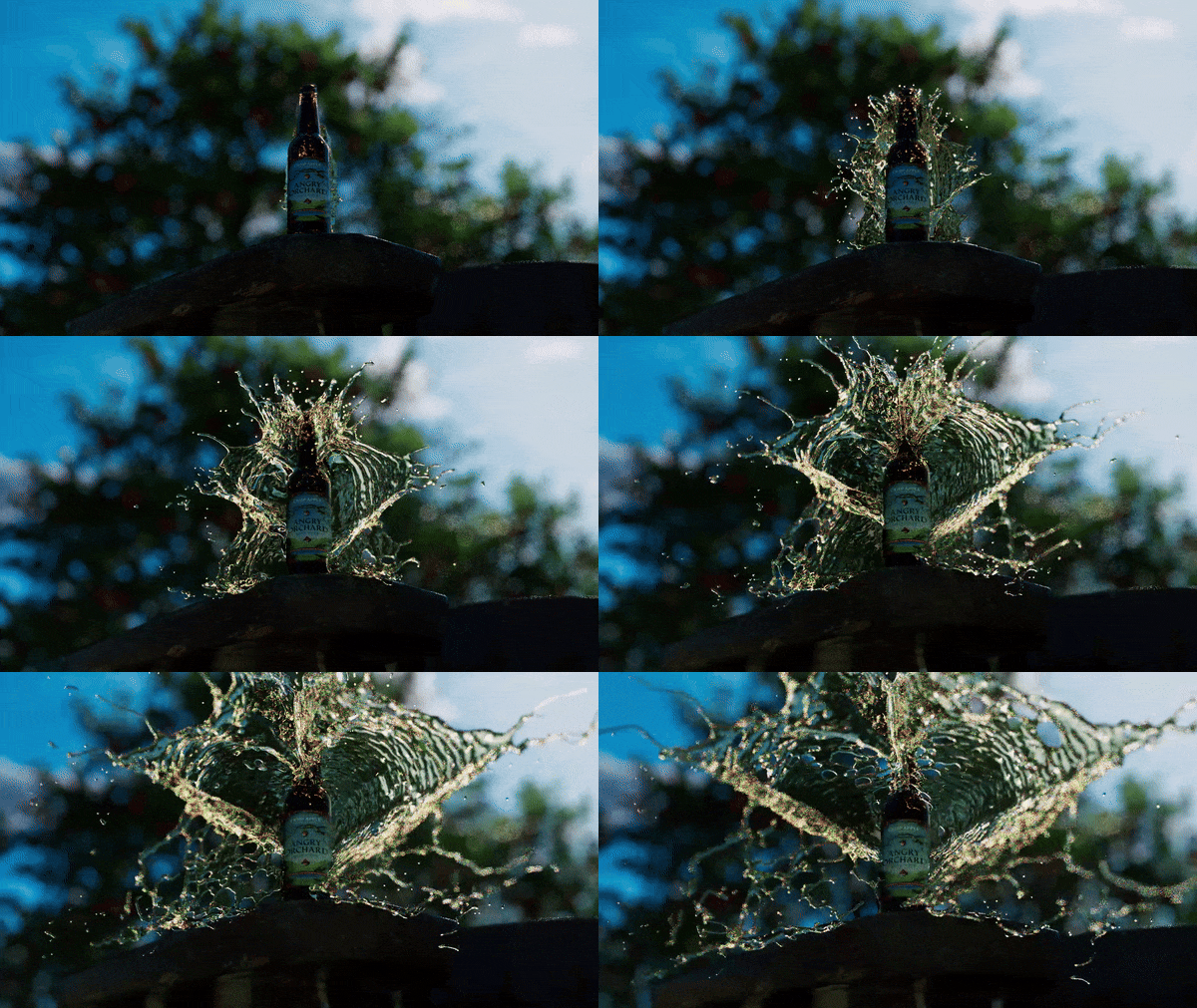
Based on Professor Fowler's feedback, the simulation was revisited to ensure the logo remains clearly visible throughout the shot. Adjustments were made to the composition, tweaking the timing and placement of key elements to hold focus longer on the logo, enhancing its visibility and impact. Additionally, a placeholder for the brand logo was incorporated to serve as a clear reference point for where the branding will appear in the final version. These refinements aim to strengthen the integration of the product and its logo, making it more prominent and memorable for the audience.